English
Log In Download

Tongue twisters for lip sounds

6 exercises

Try six lip-sound tongue twisters with ordinary sentences. Read slowly, then repeat at your speaking pace.

Lip sounds

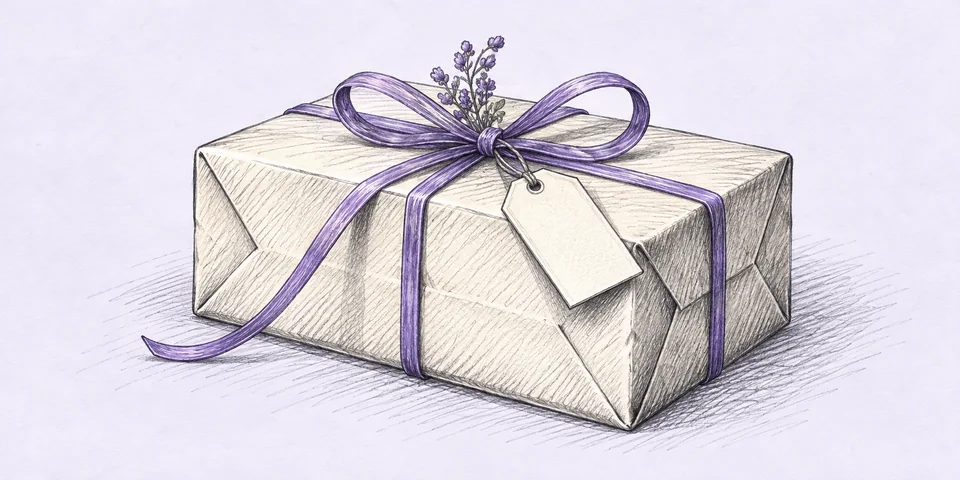
Paper parcels

Pippa packs paper parcels; Ben brings blue boxes.

Practise
Exercise notes

Then try an ordinary sentence

Please bring the paper parcels and the blue boxes to the back door.

Check that a listener can repeat both the first and last words.

Lip sounds

Berry baskets

Mina makes berry muffins; Max moves muffin baskets.

Practise
Exercise notes

Then try an ordinary sentence

Mina made berry muffins for the meeting, and Max brought a basket.

Check that a listener can repeat both the first and last words.

Lip sounds

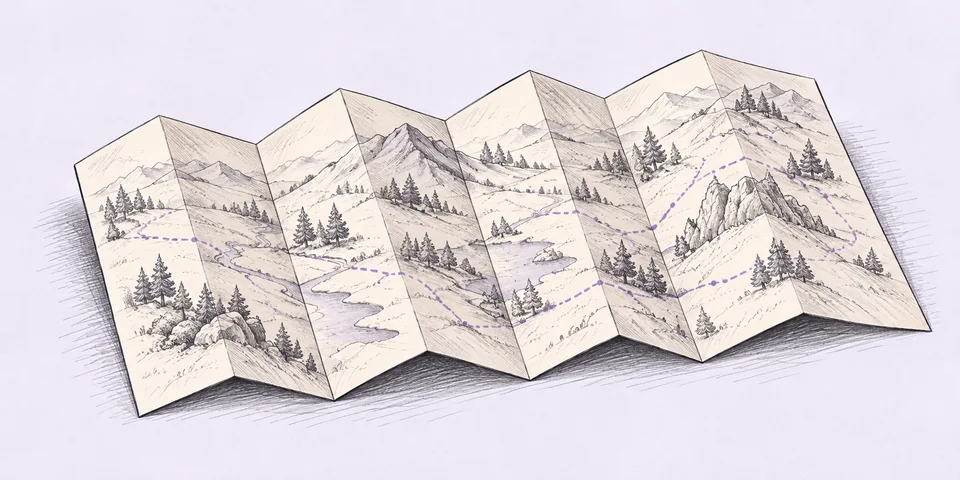
Folded maps

Five folded maps fit four flat folders.

Practise
Exercise notes

Then try an ordinary sentence

Put the folded maps in the flat folder before we leave.

Check that a listener can repeat both the first and last words.

Lip sounds

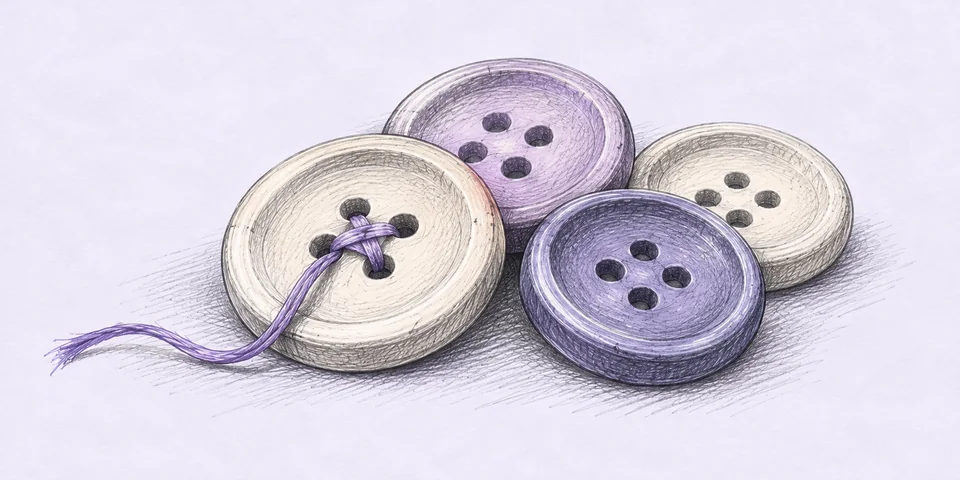
Bright buttons

Bea buys bright buttons; Pip picks plain buttons.

Practise
Exercise notes

Then try an ordinary sentence

Bea chose bright buttons for the blue coat.

Check that a listener can repeat both the first and last words.

Lip sounds

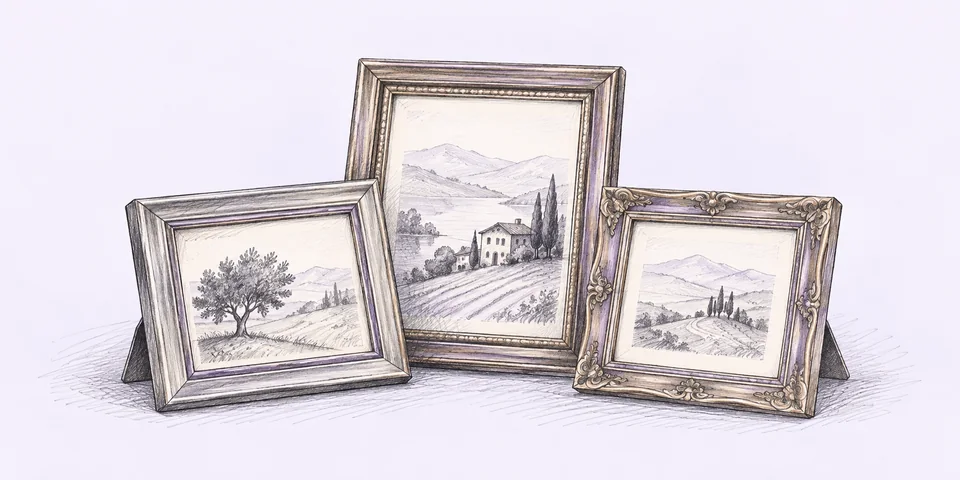
Photo frames

Vera fixes five photo frames; Phil fills four frames.

Practise
Exercise notes

Then try an ordinary sentence

Vera will put five photos in frames for the display.

Check that a listener can repeat both the first and last words.

Lip sounds

Purple banners

Bob rolls purple banners; Pam packs paper bands.

Practise
Exercise notes

Then try an ordinary sentence

Please roll the purple banner and put a paper band around it.

Check that a listener can repeat both the first and last words.

How to practise

What to listen for

These six phrases repeat sounds made with the lips or with the lower lip and upper teeth. Choose one phrase and listen to its separate words. Start at a pace that lets you finish each word, then try the ordinary sentence that follows it.

Check your next reading

Choose one word and keep it recognisable on each reading. If the phrase runs together, separate two neighbouring words, say them once, then return to the complete phrase. Compare that reading with an ordinary sentence: can a listener still catch the people, objects or numbers without seeing the text?

How to rehearse this passage

  1. Read it slowly

    Say the whole passage at a pace that lets you hear every word. Notice one part to repeat.

  2. Read it at your speaking pace

    Repeat the difficult part, then read the complete passage at a comfortable pace. Choose clarity before speed.

  3. Use it in ordinary speech

    Read the ordinary sentence. Can you keep the same care without making the sentence sound forced?

Read aloud or use a recorder you already know. The timer guides your practice; it does not assess your voice. Completion lasts while this page stays open.