English
Log In Download

A little practice.A clearer next take.

18 original tongue twisters. Choose one and read at your own pace.

Tongue twisters for adults

18 exercises

Lip sounds

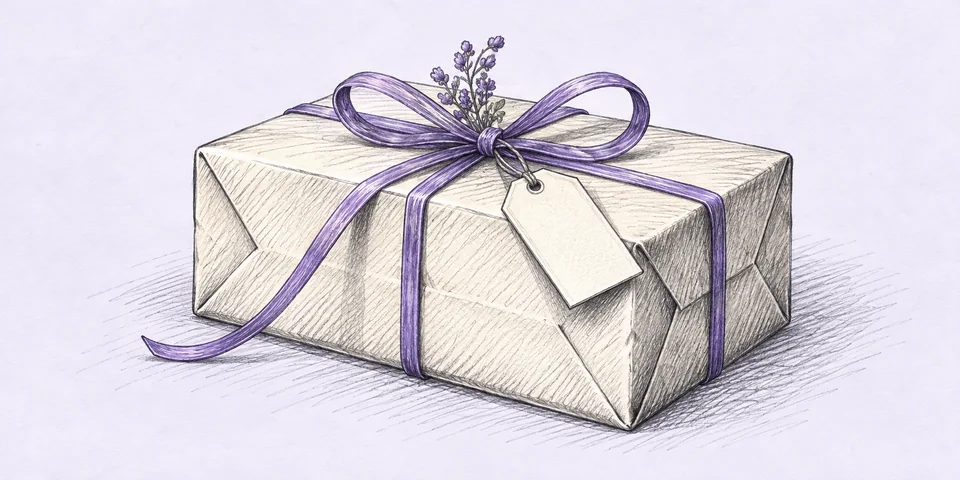
Paper parcels

Pippa packs paper parcels; Ben brings blue boxes.

Practise
Exercise notes

Then try an ordinary sentence

Please bring the paper parcels and the blue boxes to the back door.

Check that a listener can repeat both the first and last words.

Lip sounds

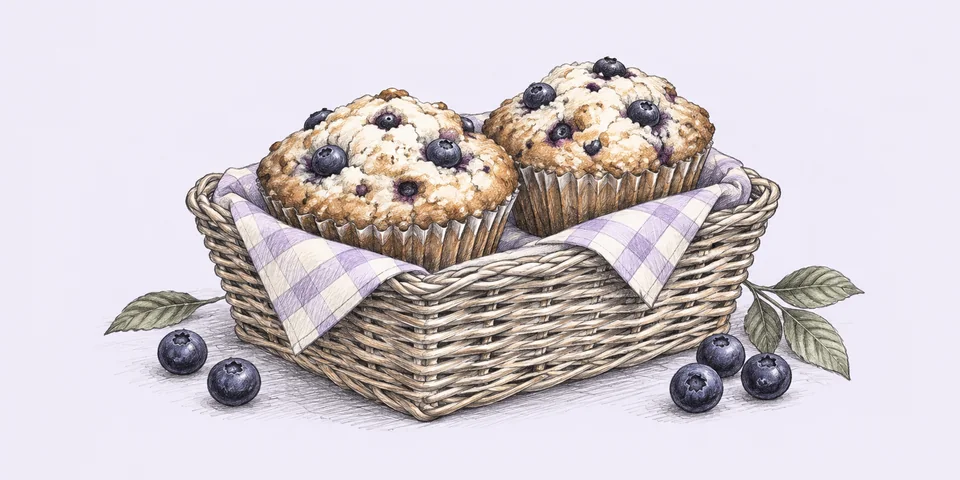
Berry baskets

Mina makes berry muffins; Max moves muffin baskets.

Practise
Exercise notes

Then try an ordinary sentence

Mina made berry muffins for the meeting, and Max brought a basket.

Check that a listener can repeat both the first and last words.

Lip sounds

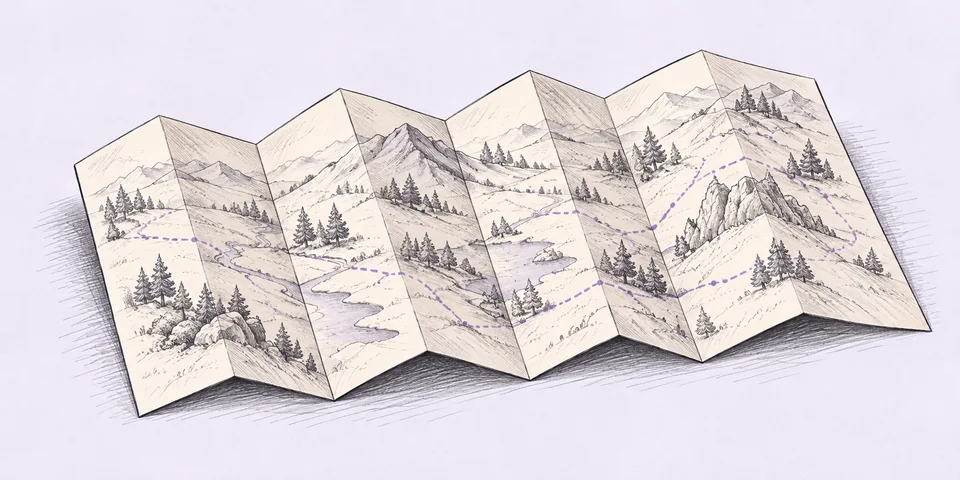
Folded maps

Five folded maps fit four flat folders.

Practise
Exercise notes

Then try an ordinary sentence

Put the folded maps in the flat folder before we leave.

Check that a listener can repeat both the first and last words.

Lip sounds

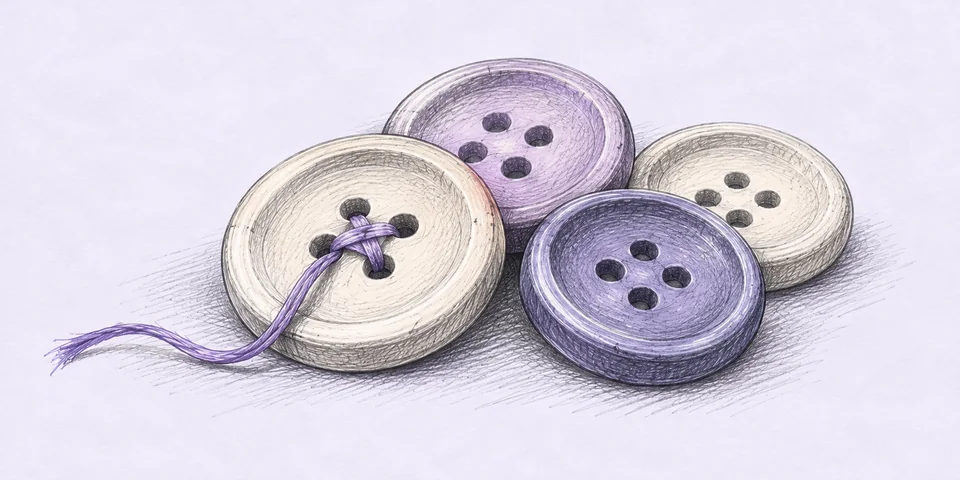
Bright buttons

Bea buys bright buttons; Pip picks plain buttons.

Practise
Exercise notes

Then try an ordinary sentence

Bea chose bright buttons for the blue coat.

Check that a listener can repeat both the first and last words.

Lip sounds

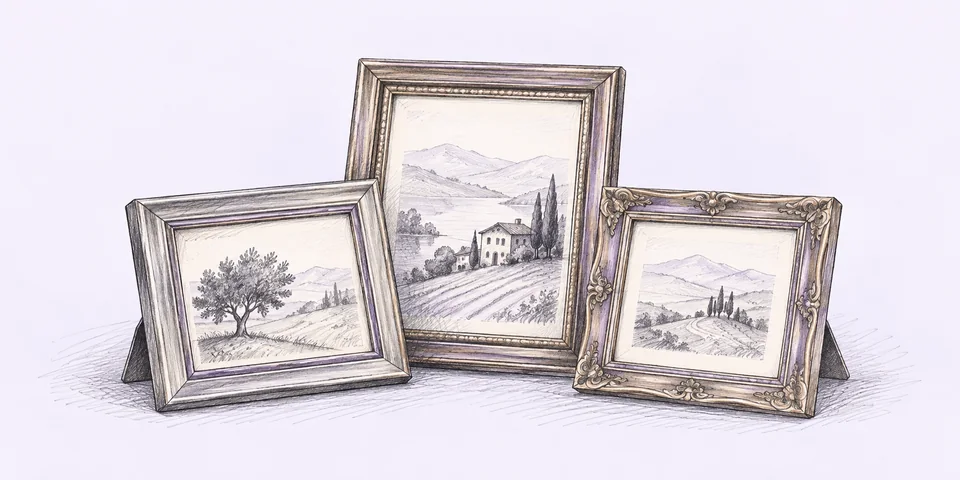
Photo frames

Vera fixes five photo frames; Phil fills four frames.

Practise
Exercise notes

Then try an ordinary sentence

Vera will put five photos in frames for the display.

Check that a listener can repeat both the first and last words.

Lip sounds

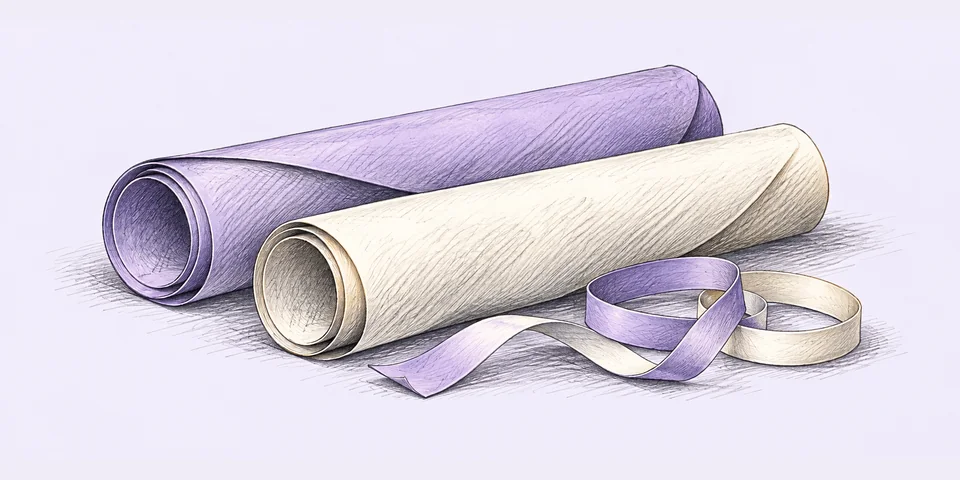
Purple banners

Bob rolls purple banners; Pam packs paper bands.

Practise
Exercise notes

Then try an ordinary sentence

Please roll the purple banner and put a paper band around it.

Check that a listener can repeat both the first and last words.

Tongue-tip sounds

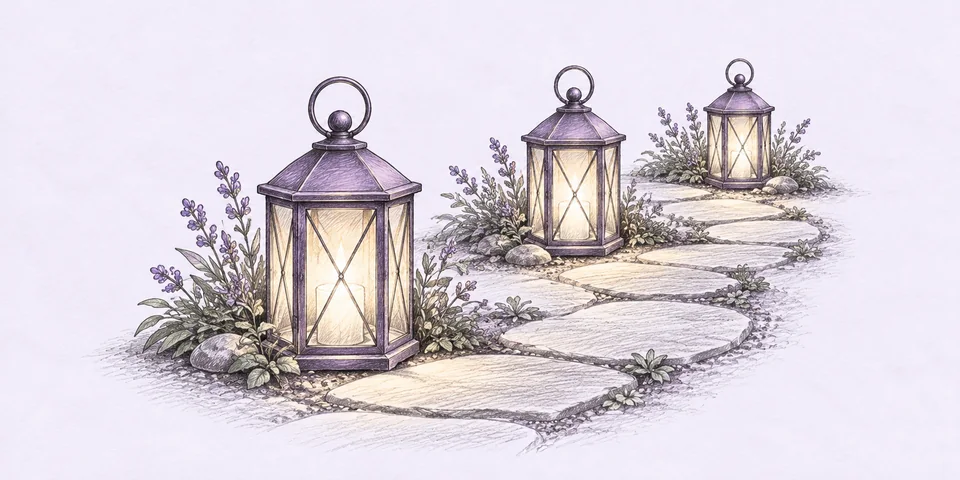
Little lanterns

Lena lines little lanterns along the lane.

Practise
Exercise notes

Then try an ordinary sentence

Lena put a line of lanterns along the garden path.

Choose two neighbouring words. Check that neither word disappears when you say the whole phrase.

Tongue-tip sounds

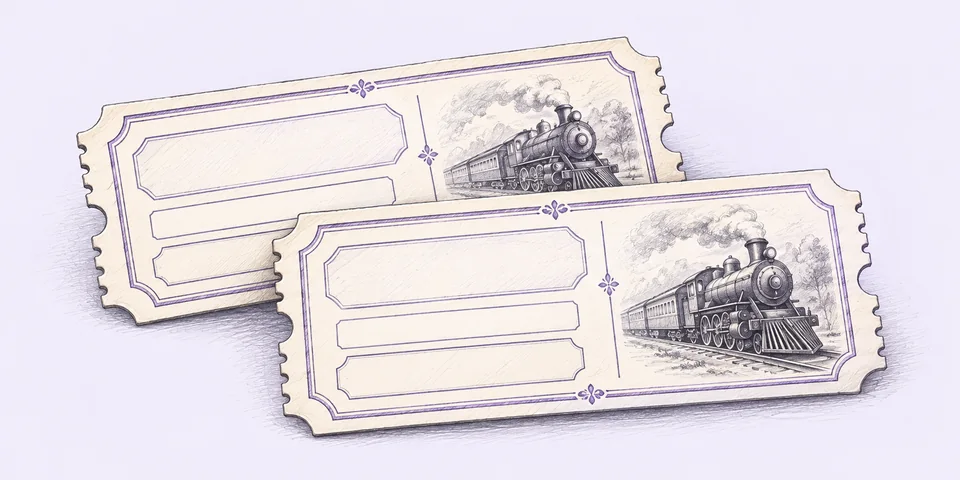
Train tickets

Tara sorts ten train tickets; Dan dates two tickets.

Practise
Exercise notes

Then try an ordinary sentence

Tara sorted the tickets and checked our travel date.

Choose two neighbouring words. Check that neither word disappears when you say the whole phrase.

Tongue-tip sounds

Red ribbons

Rory rolls red ribbons round a rail.

Practise
Exercise notes

Then try an ordinary sentence

Tie a red ribbon around the rail by the entrance.

Choose two neighbouring words. Check that neither word disappears when you say the whole phrase.

Tongue-tip sounds

Numbered notes

Nina numbers nine notes; Nell names nine tunes.

Practise
Exercise notes

Then try an ordinary sentence

Nina numbered the notes so we could read them in order.

Choose two neighbouring words. Check that neither word disappears when you say the whole phrase.

Tongue-tip sounds

Small seeds

Sam sorts six small seeds; Sue sows six seeds.

Practise
Exercise notes

Then try an ordinary sentence

Sue will sow the small seeds after Sam sorts them.

Choose two neighbouring words. Check that neither word disappears when you say the whole phrase.

Tongue-tip sounds

Shiny shells

Shay shares short stories; Sasha shows shiny shells.

Practise
Exercise notes

Then try an ordinary sentence

Sasha showed us the shells and told a short story about the beach.

Choose two neighbouring words. Check that neither word disappears when you say the whole phrase.

Mixed sound sequences

Brick paths

Bright brick paths bend past broad brown branches.

Practise
Exercise notes

Then try an ordinary sentence

Follow the brick path past the broad branches to the bench.

Read a short word group separately, then check that its beginning and ending stay audible in the whole phrase.

Mixed sound sequences

Clean clips

Cleo clips clean cards; Greg grips green clips.

Practise
Exercise notes

Then try an ordinary sentence

Clip the clean cards together with the green clip.

Read a short word group separately, then check that its beginning and ending stay audible in the whole phrase.

Mixed sound sequences

Glass shelves

Grace places plain glasses on clean glass shelves.

Practise
Exercise notes

Then try an ordinary sentence

Grace put the glasses on the clean shelf beside the sink.

Read a short word group separately, then check that its beginning and ending stay audible in the whole phrase.

Mixed sound sequences

Fresh prints

Fresh prints dry flat; Fred folds five prints.

Practise
Exercise notes

Then try an ordinary sentence

Leave the fresh prints flat until they are dry.

Read a short word group separately, then check that its beginning and ending stay audible in the whole phrase.

Mixed sound sequences

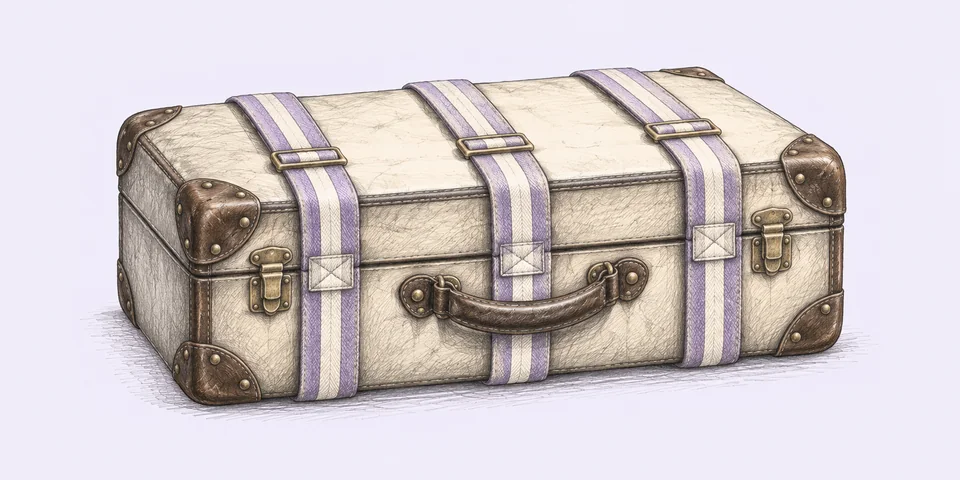
Striped straps

Three striped straps stretch across strong trunks.

Practise
Exercise notes

Then try an ordinary sentence

Check the three straps across the luggage before we set off.

Read a short word group separately, then check that its beginning and ending stay audible in the whole phrase.

Mixed sound sequences

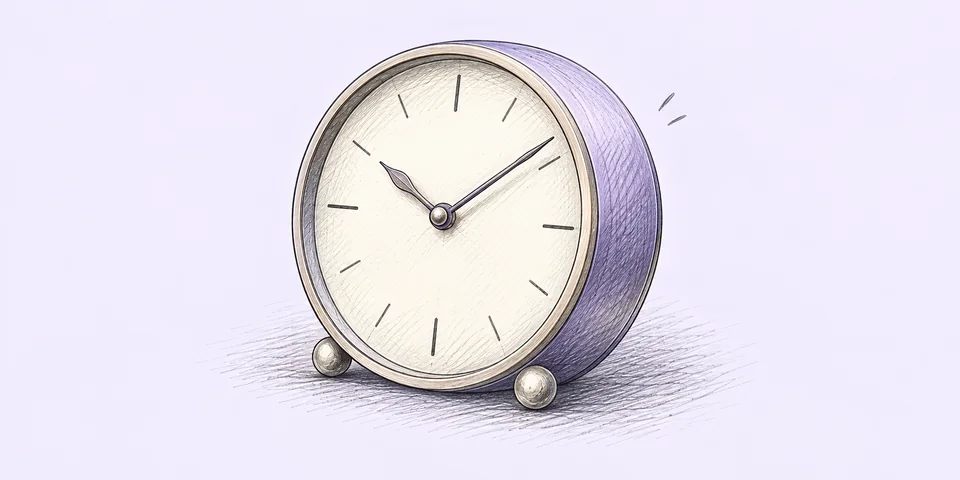
Quiet clocks

Quick clicks stop; quiet clocks tick.

Practise
Exercise notes

Then try an ordinary sentence

Wait until the clicking stops, then listen to the clock.

Read a short word group separately, then check that its beginning and ending stay audible in the whole phrase.

How to practise

Choose a short phrase you can say without hurrying. Read it slowly, repeat the part that catches you, then try the ordinary sentence underneath. These are original sound exercises for rehearsal; you do not need to race through the library.

Practise one sound sequence, then use the same sounds in an ordinary sentence.

Keep one useful change

After the sound exercise, say a sentence you might actually use on camera or in a meeting. If it becomes harder to follow when you speed up, return to a comfortable pace. You can stay with one exercise rather than completing every card.

  • I finished the passage without restarting the whole exercise.
  • I checked one detail rather than judging my entire voice.
  • I chose one change to try in my own speech.

You can also practise these exercises in your free account and save new answers and attempts there. Notes written on this public page stay here.

For more structured rehearsal, try the six free school lessons. For an estimate of your own script length, use the speech time calculator.

Read aloud or use a recorder you already know. The timer guides your practice; it does not assess your voice. Completion lasts while this page stays open.