English
Log In Download

Tongue twisters for tongue-tip sounds

6 exercises

Read six tongue-tip sound exercises. Keep neighbouring words distinct, then try an ordinary sentence.

Tongue-tip sounds

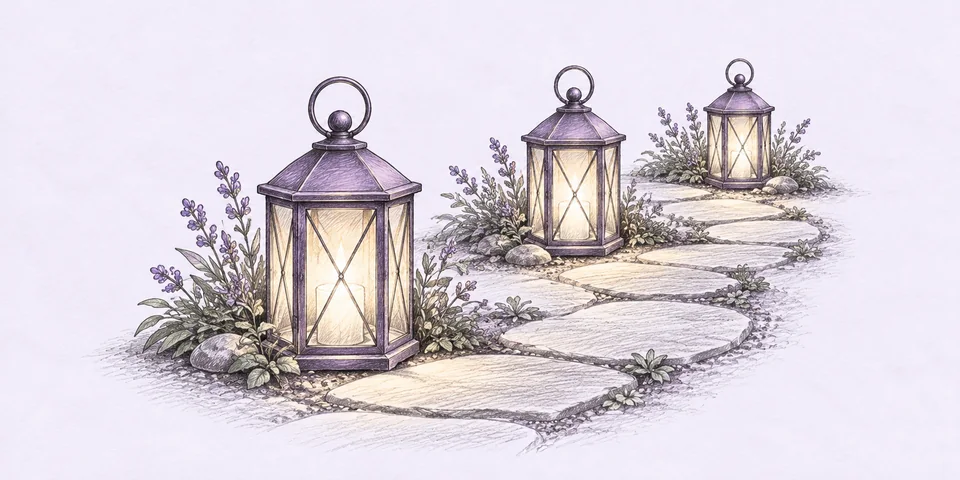
Little lanterns

Lena lines little lanterns along the lane.

Practise
Exercise notes

Then try an ordinary sentence

Lena put a line of lanterns along the garden path.

Choose two neighbouring words. Check that neither word disappears when you say the whole phrase.

Tongue-tip sounds

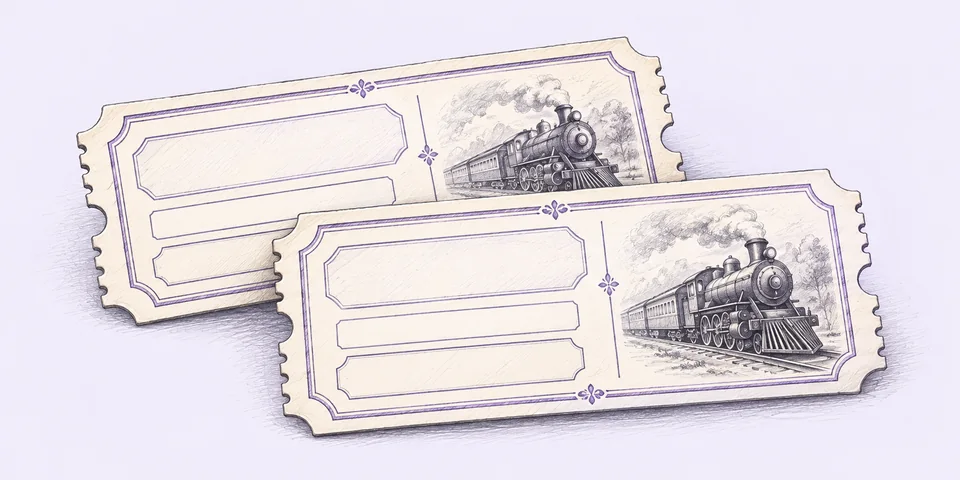
Train tickets

Tara sorts ten train tickets; Dan dates two tickets.

Practise
Exercise notes

Then try an ordinary sentence

Tara sorted the tickets and checked our travel date.

Choose two neighbouring words. Check that neither word disappears when you say the whole phrase.

Tongue-tip sounds

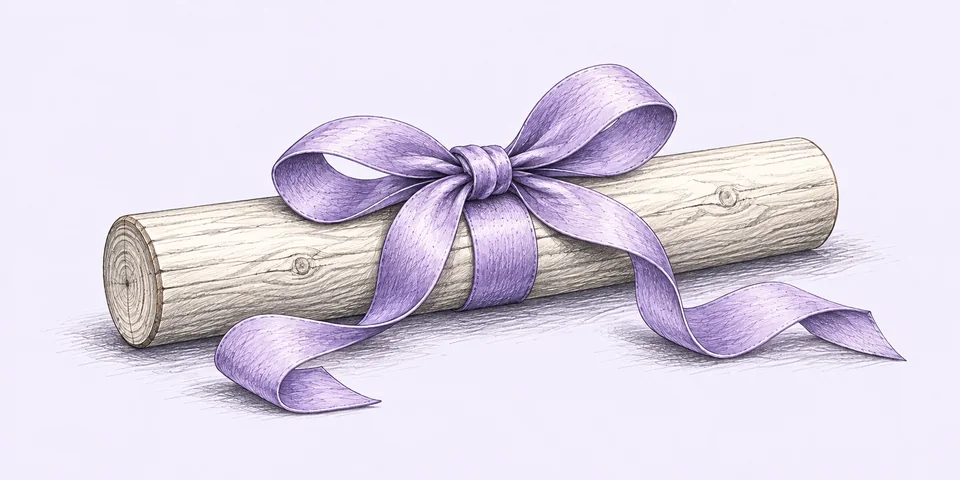
Red ribbons

Rory rolls red ribbons round a rail.

Practise
Exercise notes

Then try an ordinary sentence

Tie a red ribbon around the rail by the entrance.

Choose two neighbouring words. Check that neither word disappears when you say the whole phrase.

Tongue-tip sounds

Numbered notes

Nina numbers nine notes; Nell names nine tunes.

Practise
Exercise notes

Then try an ordinary sentence

Nina numbered the notes so we could read them in order.

Choose two neighbouring words. Check that neither word disappears when you say the whole phrase.

Tongue-tip sounds

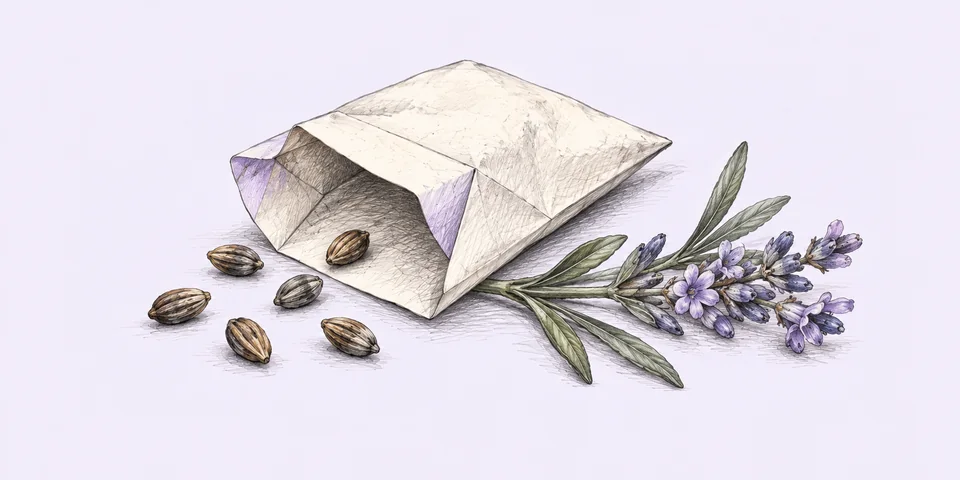
Small seeds

Sam sorts six small seeds; Sue sows six seeds.

Practise
Exercise notes

Then try an ordinary sentence

Sue will sow the small seeds after Sam sorts them.

Choose two neighbouring words. Check that neither word disappears when you say the whole phrase.

Tongue-tip sounds

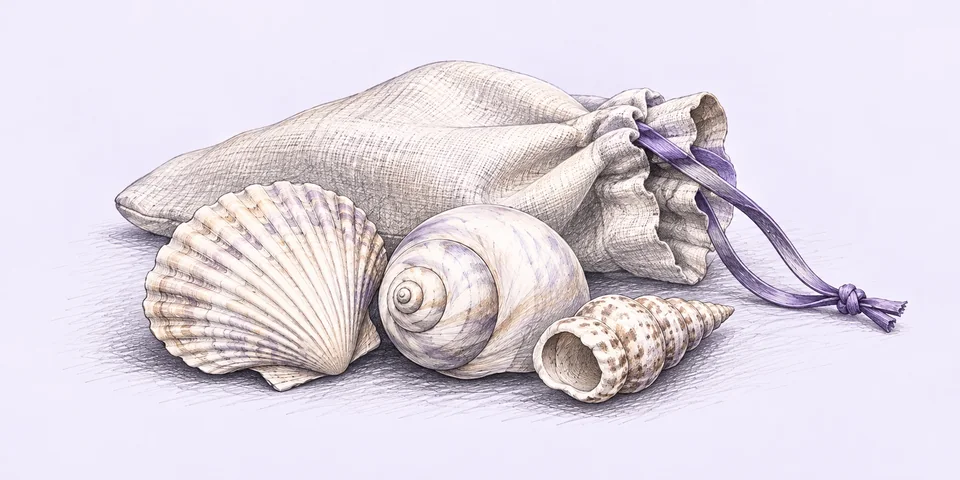
Shiny shells

Shay shares short stories; Sasha shows shiny shells.

Practise
Exercise notes

Then try an ordinary sentence

Sasha showed us the shells and told a short story about the beach.

Choose two neighbouring words. Check that neither word disappears when you say the whole phrase.

How to practise

What to listen for

These phrases bring together sounds that use the tongue near the teeth or the ridge behind them. Each language uses its own sound patterns. Choose a phrase you can follow comfortably and keep the beginning and ending of each word audible.

Check your next reading

Notice the point where one word meets the next. Say that pair separately, then put it back into the phrase without adding an extra sound between the words. In the ordinary sentence, keep the same detail clear while speaking as you would to another person.

How to rehearse this passage

  1. Read it slowly

    Say the whole passage at a pace that lets you hear every word. Notice one part to repeat.

  2. Read it at your speaking pace

    Repeat the difficult part, then read the complete passage at a comfortable pace. Choose clarity before speed.

  3. Use it in ordinary speech

    Read the ordinary sentence. Can you keep the same care without making the sentence sound forced?

Read aloud or use a recorder you already know. The timer guides your practice; it does not assess your voice. Completion lasts while this page stays open.